
Grammar articles
How the Slavic languages actually work: cases, aspect, and the patterns behind the endings.
Bulgarian Grammar Explained: The Slavic Language Without Cases
Discover why Bulgarian has no noun cases. Learn about its unique definite article, complex verb tenses, the renarrative mood, and the Balkan Sprachbund.
Serbian Cases Explained: The Complete Beginner's Guide
Master the 7 Serbian noun cases without losing your mind. Learn the logic behind the grammar, practical tips, and how it compares to other Slavic languages.
Czech Cases Explained: The Complete Beginner's Guide
Struggling with Czech cases? Discover how the 7 grammatical cases work, why they exist, and practical tips to master them without memorizing endless charts.
Czech Grammar Explained: A Complete Beginner's Guide
Discover the mechanics of Czech grammar. Learn about cases, verb aspect, clitics, and how Czech compares to other Slavic languages in this friendly guide.
The Polish Instrumental Case
Master the Polish Instrumental case. Learn how to talk about professions, tools, and companions, with clear examples and Slavic language comparisons.
The Polish Genitive Case
Master the Polish Genitive case. Learn how to express possession, navigate the negation rule, count objects, and guess the tricky masculine endings.
Russian Verbs of Motion Explained
Master Russian verbs of motion. Learn the difference between unidirectional and multidirectional verbs, foot vs. vehicle travel, and how prefixes work.
The Russian Prepositional Case
Master the Russian Prepositional case. Learn when to use В vs. На, how to form the endings, and discover the historical secrets of this strictly static case.
The Russian Instrumental Case
Master the Russian Instrumental case. Learn how to talk about tools, companions, professions, and space, with clear examples and Slavic language comparisons.
Serbian Verb Aspect Explained
Master Serbian verbal aspect. Learn the difference between perfective and imperfective verbs, the prefixes and rules, and how to choose the right one every time.
Polish Verb Aspect Explained
Struggling with Polish verb aspect? Learn the difference between imperfective and perfective verbs, how to form them, and how to master them without the stress.
The Russian Dative Case
Master the Russian Dative case. Learn how to express age, feelings, indirect objects, and the difference between К and В/На without the stress.
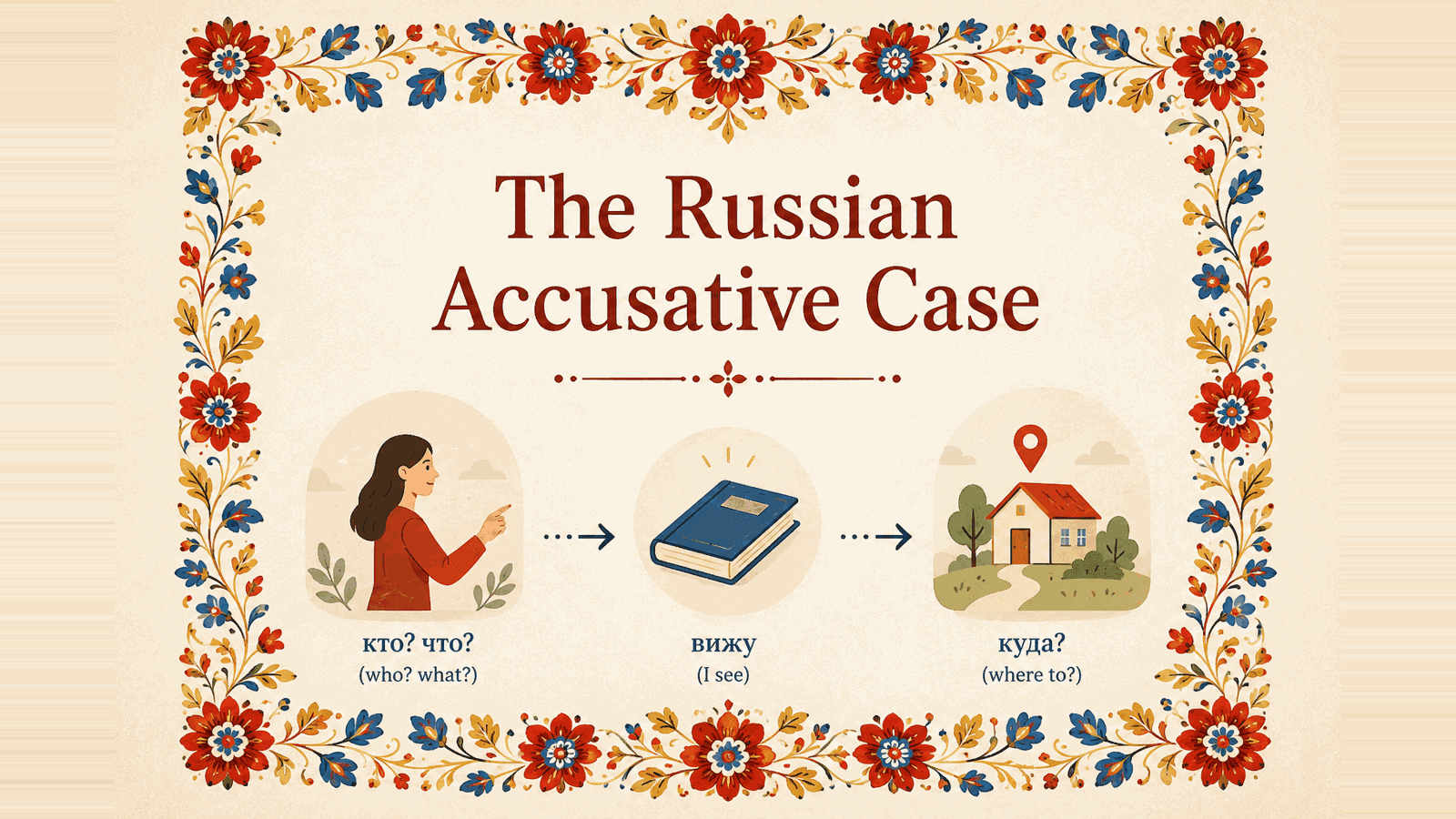
The Russian Accusative Case
Learn how the Russian Accusative case works. Understand direct objects, the rules of animacy, destinations, and how to master the feminine -у ending.
The Russian Genitive Case
Master the Russian Genitive case. Learn how to express possession, negation, and quantities without memorizing endless grammar tables. A guide for all learners.
The Russian Nominative Case
Learn how the Russian Nominative case works, how to identify noun genders, form plurals, and avoid common beginner mistakes. A must-read grammar guide.
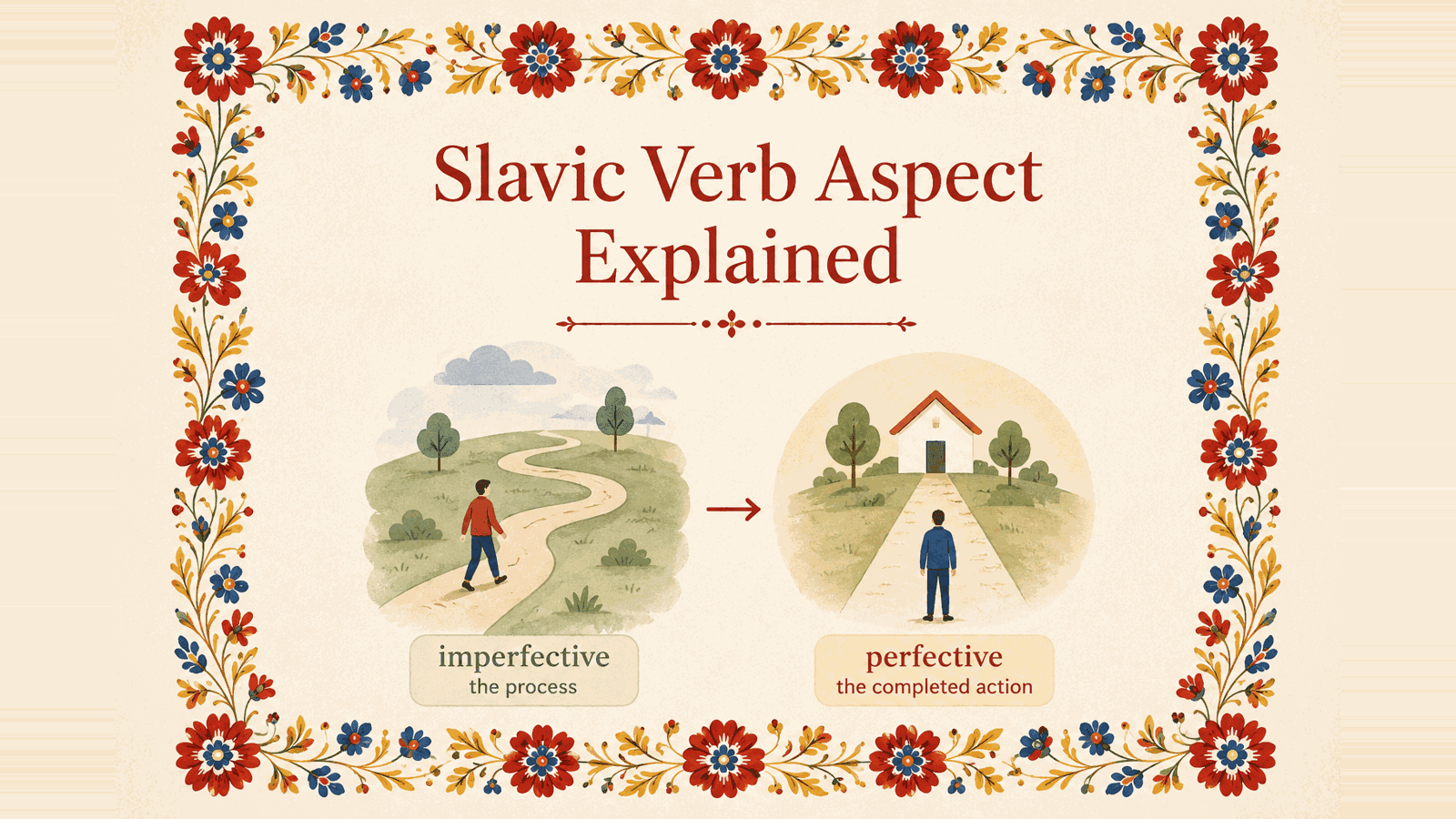
Slavic Verb Aspect Explained
Struggling with Slavic verb aspect? Learn the difference between imperfective and perfective verbs, how they work, and how to master them without the stress.
Why Slavic Languages Have Cases
Discover why Slavic languages use grammatical cases, where they came from, and how to master them without the stress. A complete guide for language learners.

Polish Cases Explained: The Complete Beginner's Guide
Master the seven Polish noun cases without the headache. Discover how they work, why they exist, and practical tips to learn them in this friendly guide.
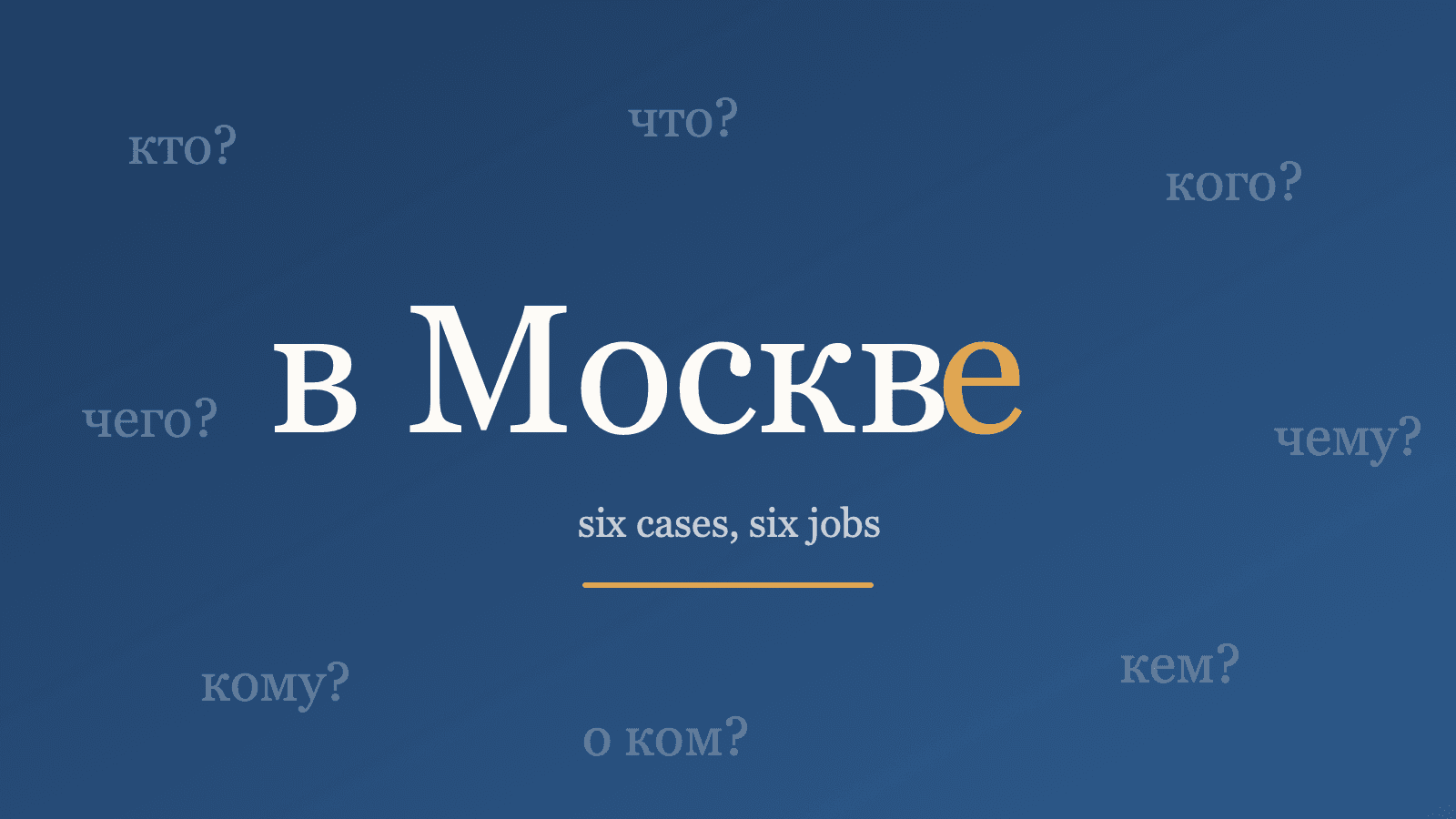
Russian Cases Explained: The Complete Beginner's Guide
Master the six Russian noun cases without the headache. Discover how they work, why they exist, and how to learn them in this friendly guide for beginners.
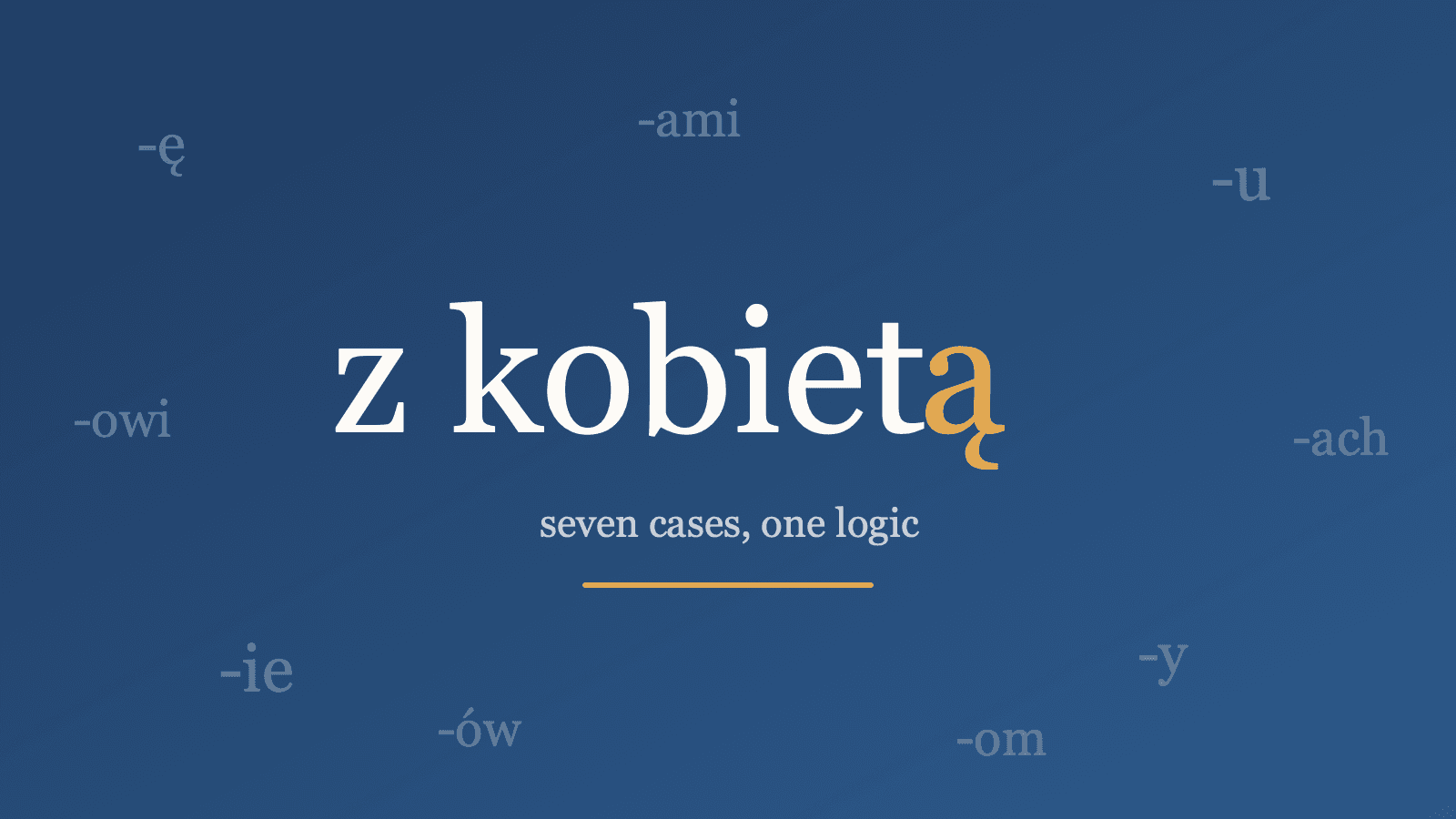
Polish Grammar Explained: A Complete Beginner's Guide
Seven cases, virile plurals, vanishing vowels — Polish grammar looks brutal but runs on pure logic. A friendly beginner's guide to how it actually works.
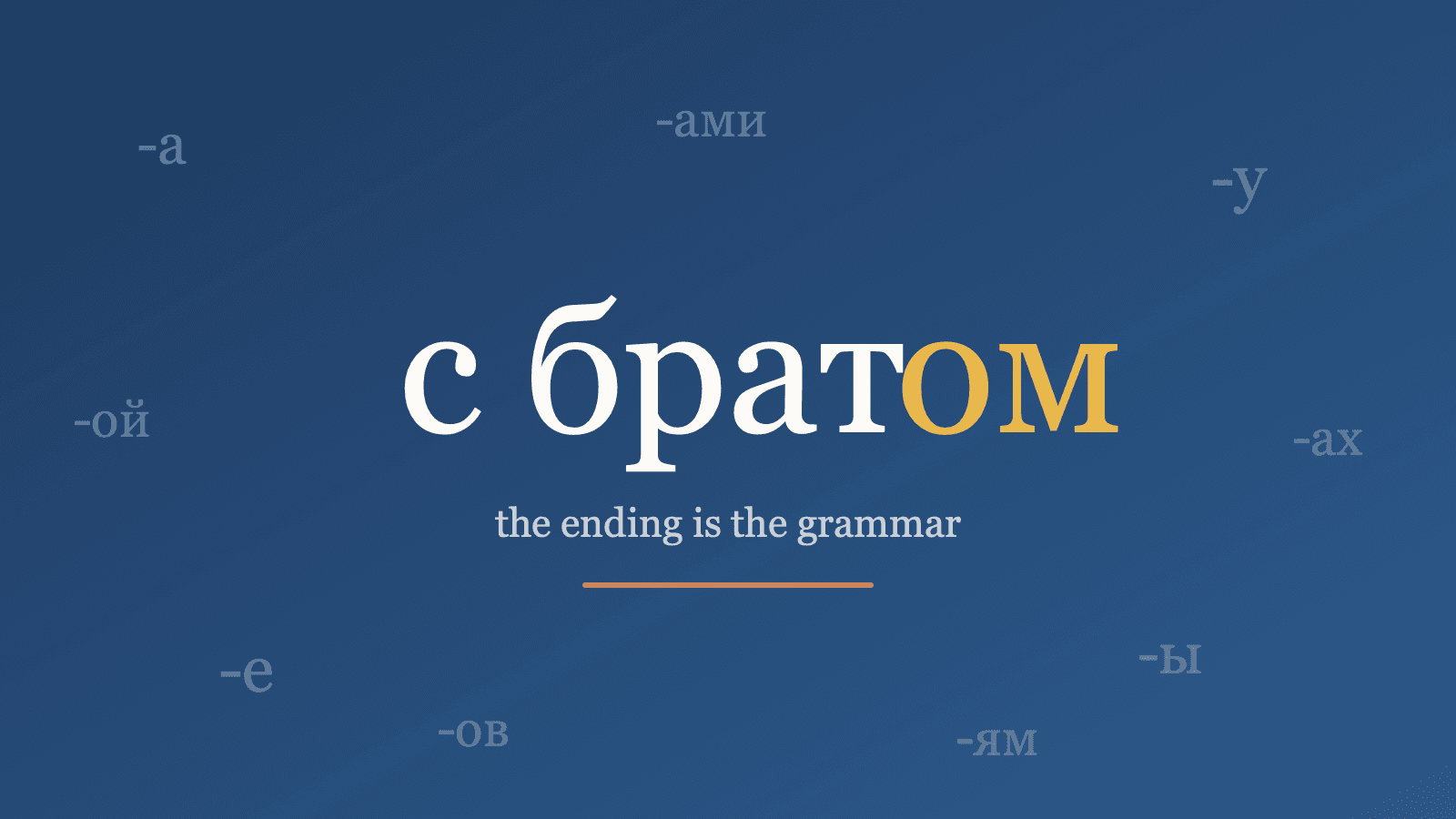
Russian Grammar Explained: The Complete Beginner's Guide
Master the basics of Russian grammar without the headache. Discover how cases, gender, and verbs of motion work in this friendly guide for beginners.